

Woodworkers in the age of plastic
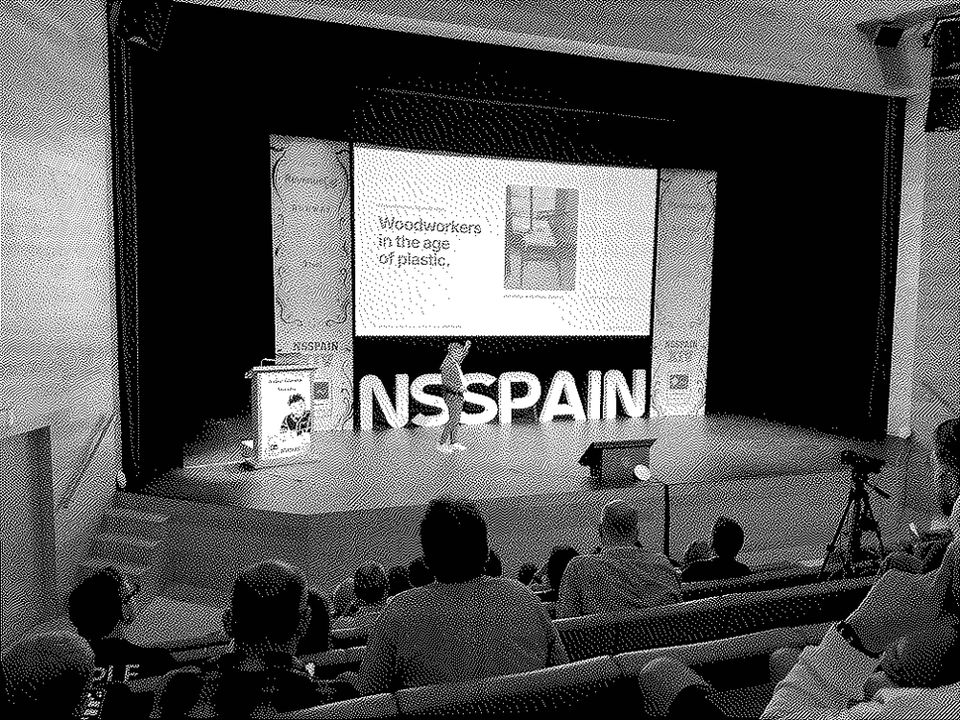
Last week I closed NSSpain with my first ever conference talk. Most of it was the rollercoaster story of Chubby Studio: a health app that won a hackathon and then went nowhere, the pivot to FitWoody, the day Apple made us App of the Day in more than 40 countries.
But the part I keep thinking about is the last five minutes. The part where I talked about the elephant in the room.
The elephant
It had been with us the whole conference. In the talks, at the coffee breaks, at dinner with a glass of Rioja in hand. AI.
I'll be honest: I'm as excited as I am worried. Anyone can now build an app with a couple of prompts. Dozens of new competitors land on the App Store every day. And OpenAI and Anthropic keep sherlocking entire categories of apps every time they add a new layer on top of their models.
For the non-Apple nerds: "sherlocking" comes from 2002, when Apple shipped Sherlock 3 with features suspiciously similar to Watson, a third-party app that had built its whole business on them. Watson didn't make it. Back then it happened once a year at WWDC. Now it happens with every model release.
And I'm not writing this from the outside, shaking my fist at the cloud. Patricia and I write code with Claude every day. Our first "hire" was a Mac mini running an AI agent. The tools are great.
That's exactly the problem. They're great for everyone.
More, faster
This pace pushes us to do more, and faster. Launch a new app every week, abandon it the next. And on paper it makes sense: if building costs almost nothing, you might as well throw everything at the wall and see what sticks.
But a two-person studio will never win a volume game. There will always be someone with more money, more agents and fewer scruples shipping more than us. Competing on quantity means racing a machine at the one thing machines do best.
If I've learned anything in these years, it's this: instead of diluting what makes us special, we have to double down on it.
The chair nobody remembers
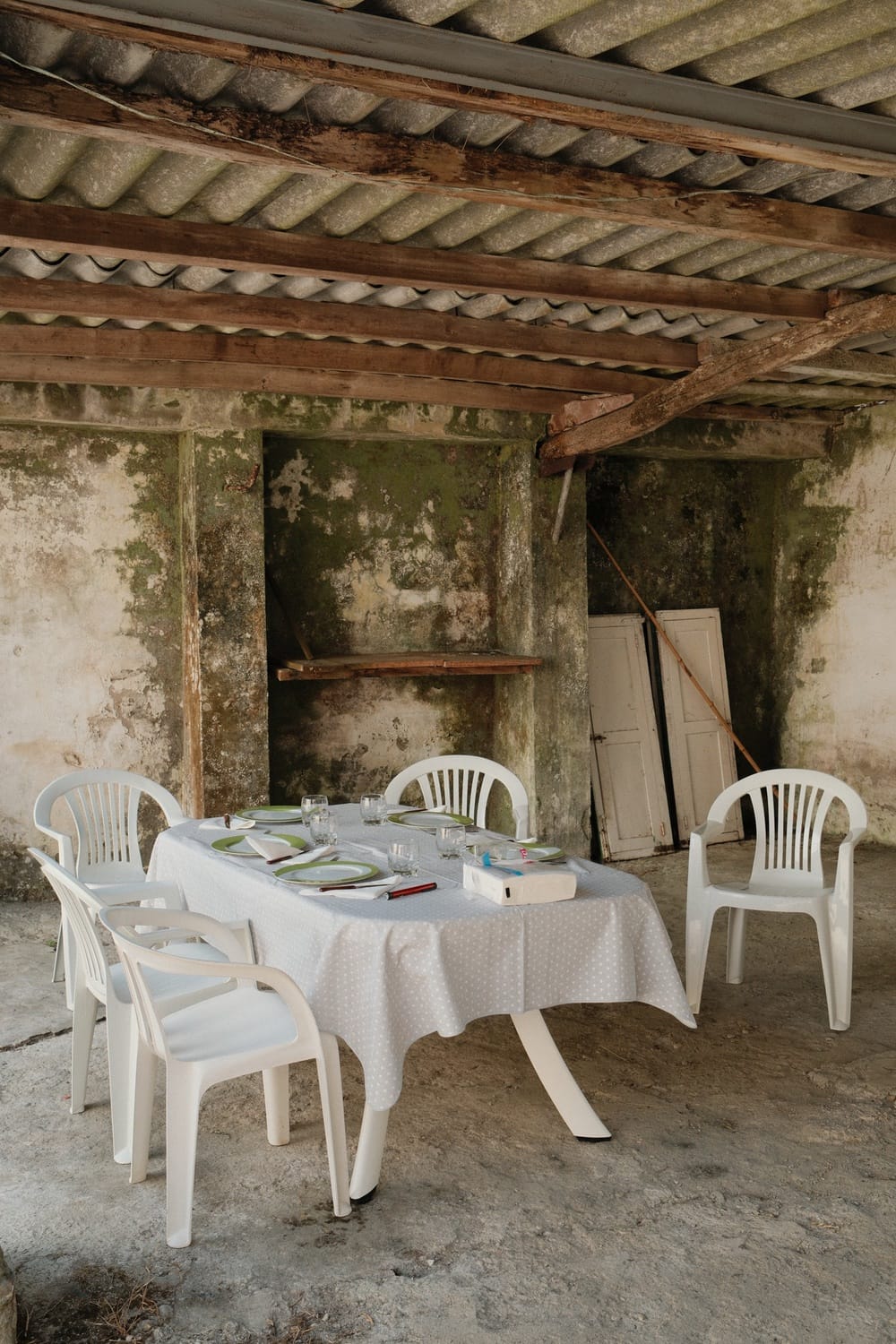
You know the monobloc chair. White plastic, one piece, stackable. It's on every terrace, at every village festival, in every back garden. It's probably the most common chair in the world.
It works. You sit on it, it holds you. And you couldn't tell me who made the last one you sat on.
Now think of a chair you actually remember. The one at your grandparents' house, the one you saw in a design museum, the one you saved up for. Someone made decisions there. The curve of the backrest. The type of wood. A joint that holds without a single screw.
That chair isn't more functional than the plastic one. It holds you exactly the same. But you notice it, you remember it, you want it.
That's the gap between functional and exceptional. And AI is about to make functional basically free.
Craft, not engineering
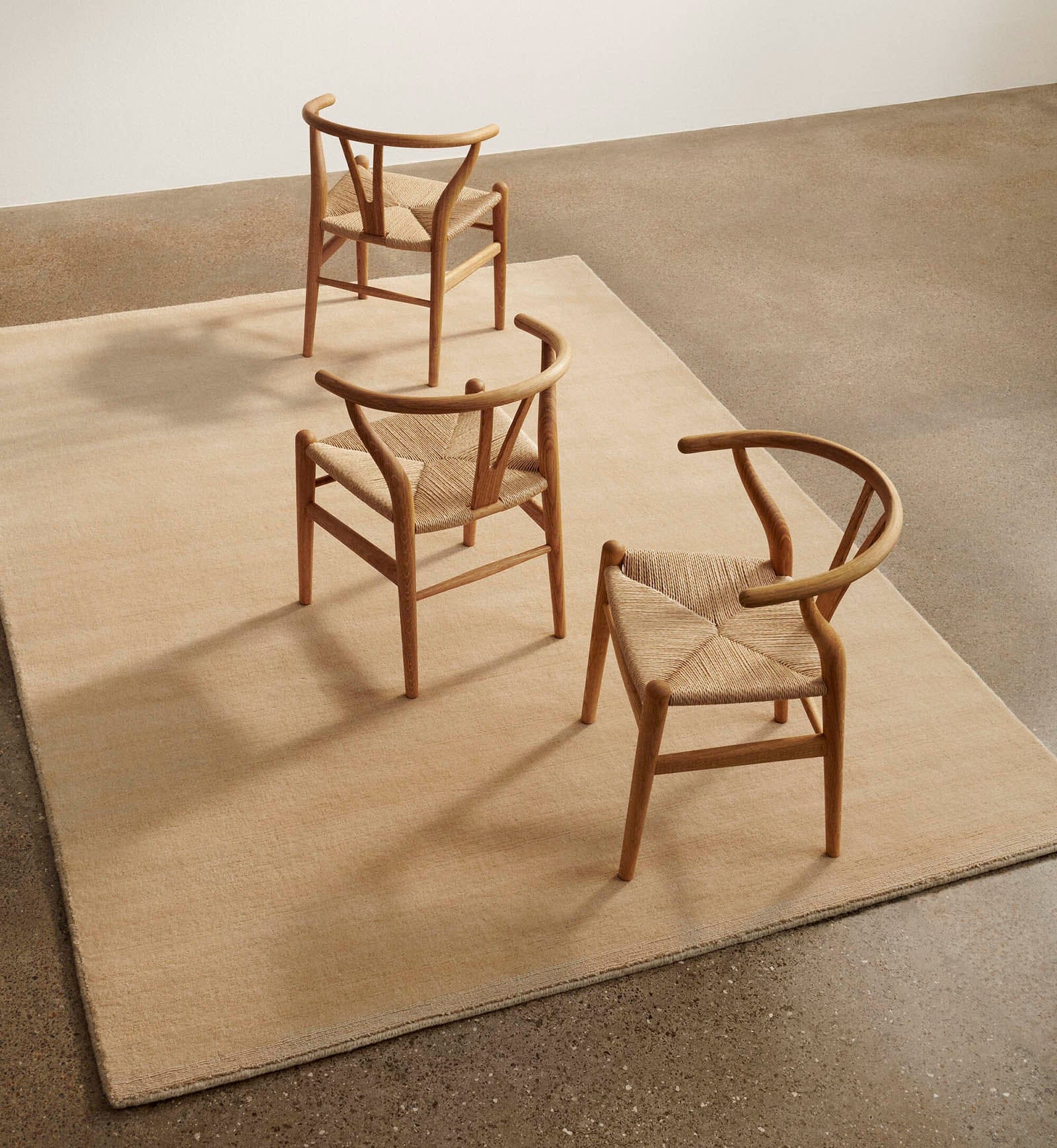
When I say craft, I don't mean nostalgia or refusing to use tools. Woodworkers use power tools. What they don't delegate is judgment.
For us, craft has mostly been the stuff that never shows up on a feature list. FitWoody adapts to how each person trains and sleeps, instead of forcing everyone into the same generic plan. We put hours into accessibility that no reviewer asked for, and Apple ended up highlighting it across the App Store in 63 countries.
None of that came from building faster. It came from caring about things that are hard to put into a prompt.
I started out as a journalist, and newsrooms taught me something similar. Anyone can fill a page. The hard part is deciding what goes on the front page.
What deserves to be built
Now that building is so cheap, the really hard part is deciding what deserves to be built. And that depends more on human judgment than on artificial tools.
The plastic chairs will keep piling up on the terrace. More every month, each one a bit cheaper.
We'll be in the workshop, sanding.
Member discussion